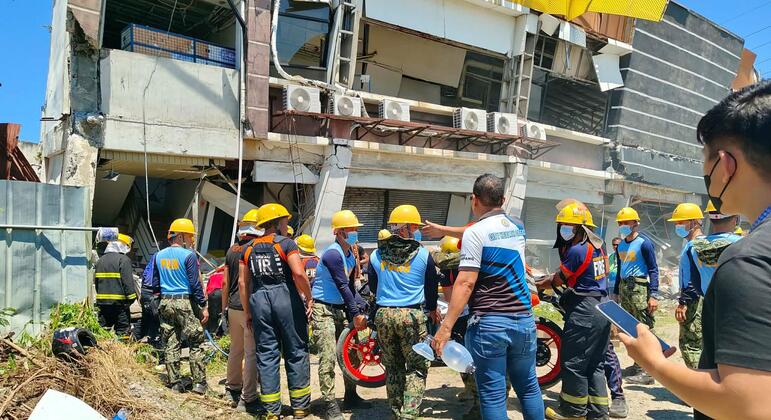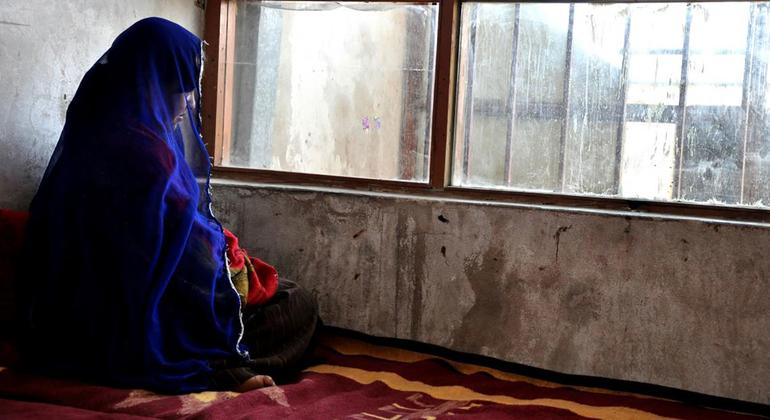

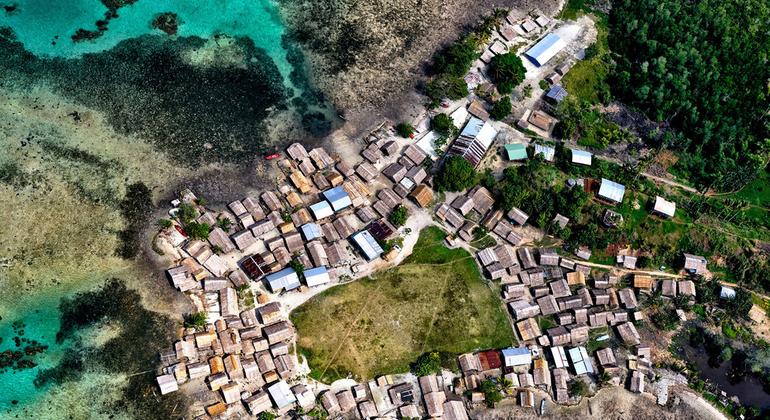
A Category 4 storm has brought destructive winds, flooding, and heavy rainfall to vulnerable coastal and island communities in the South Pacific’s Solomon Sea. The storm’s intensification over the sea led to widespread displacement, with many families seeking shelter in evacuation centers, schools, and churches, according to an OCHA humanitarian bulletin on Sunday. Agencies are warning of increased protection risks for women, children, and persons with disabilities due to overcrowded conditions and disrupted community support systems.
Flooding and erosion in the Western Province have also uncovered unexploded ordnance (UXO) from World War II battles, posing additional dangers to affected communities and response teams. The UN Emergency Relief Coordinator has allocated $2.5 million from the organization’s central emergency response fund to support life-saving assistance.
Healthcare services are strained, with an estimated 3,600 pregnant women affected and 21 health facilities damaged. Many women face difficulties reaching clinics due to damaged infrastructure and transportation disruptions. Food insecurity is escalating as crops and fishing livelihoods are destroyed, leading communities to report fewer meals and increased reliance on humanitarian aid.
Education has also been disrupted, with 84 schools damaged across the Western, Choiseul, and Guadalcanal Provinces, impacting approximately 15,800 students. The UN Children’s Fund (UNICEF) and its partners are establishing temporary learning spaces and distributing emergency school supplies.
The storm is part of a wave of extreme weather events across the Pacific. In the Federated States of Micronesia, a typhoon caused an emergency declaration in early April after damaging homes, infrastructure, and water systems.
Iori Kato, IOM Asia and the Pacific Regional Director, emphasized, “This is another reminder that extreme weather events are becoming more frequent and unpredictable. Without sustained investment in preparedness and early warning systems, the region risks facing devastating humanitarian and economic costs. This is a critical window for action.”