
Escalating conflicts in the Middle East are triggering significant increases in transportation costs, energy, and fertilizer prices across the Asia-Pacific region, leading to currency pressures and financial market volatility.
Hamza Ali Malik, Director of the Macroeconomic Policy Division at the UN’s Economic and Social Commission for Asia and the Pacific (ESCAP), highlighted that the most immediate economic impact stems from substantial rises in freight costs, along with prices for oil, natural gas, and fertilizers. He further indicated that higher inflation, weakened exports, and increased debt risks are likely consequences.
Hormuz Strait: A Nexus of Disruption
The Strait of Hormuz, a vital chokepoint for global maritime trade, has become a focal point of these developments. With approximately a quarter of the world’s seaborne oil trade, along with substantial volumes of liquefied natural gas and fertilizers, passing through this narrow passage, escalating tensions have brought ship transits to a near standstill. This has sent shockwaves through global energy markets. Brent crude oil prices, known for their volatility, have surged past $100 per barrel, exacerbated by rising shipping and insurance costs. These disruptions reverberate through supply chains, raising concerns not only for trade and development but also for humanitarian aid and essential goods shipments.
Supply Chains Under Pressure
The impact is being felt across maritime routes, with major shipping lines suspending services to the Middle East and containers becoming stranded in congested ports. An estimated 20,000 seafarers are also affected by the situation. Rupa Chanda, Director of ESCAP’s Trade Division, noted, “There are significant early indications of disruptions to shipping routes,” adding that the effects are already hitting key industries. A scarcity of helium and specialty gases from the Gulf is creating an “almost immediate crisis” for the production of semiconductors and advanced electronics. Disruptions to petrochemical feedstocks, meanwhile, threaten manufacturing across major Asian economies. Fertilizer shortages also heighten concerns about future crop yields in South Asia and beyond, regions that are home to nearly two billion people.
Rising Costs Impact Households
The surge in energy prices is directly translating into inflation and increased cost of living. UN estimates indicate that oil prices have risen by approximately 45% and natural gas by 55% since late February, with fertilizer prices up by 35%. Regional inflation is projected to climb from 3.5% in 2025 to 4.6% in 2026. In many countries, escalating fuel costs are already driving up transportation, production, and food expenses, disproportionately affecting the poorest households.
Country-Level Impacts Intensify
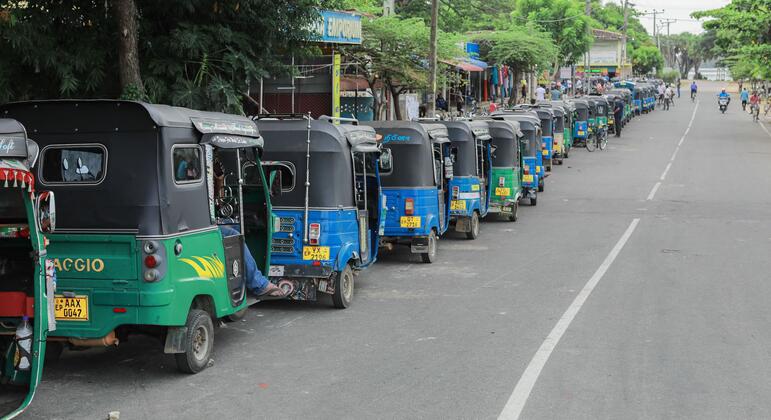
In Sri Lanka, where oil constitutes about a quarter of total imports, authorities have introduced fuel rationing and reduced public activities to conserve supplies. Schools have shifted to a four-day week, and public sector operations have been scaled back. In Pakistan, fuel and food prices have spiked, with reports of long queues at petrol stations. Authorities have implemented fuel conservation measures, including a four-day work week, school closures, and work-from-home policies. Crisis-hit Myanmar is also facing acute pressures. Fuel shortages have led to strict rationing, disrupting transportation, businesses, and humanitarian operations. Gwyn Lewis, Acting UN Resident and Humanitarian Coordinator, stated, “These disruptions add another layer of burden to Myanmar’s already strained economy. Prices are rising, essential goods are becoming harder to find, and families’ purchasing power continues to decline.”
From Economic Shock to Household Crisis
In Nepal, the crisis is not just economic but deeply felt in daily life. At least one migrant worker has been killed in the Gulf, dozens injured, and tens of thousands are stranded, unable to return home or travel to their workplaces. Over 1.7 million Nepali citizens work in the Gulf, accounting for over 65% of the country’s overseas labor migration. Remittances from these migrants form over a quarter of Nepal’s GDP and support approximately 6 out of every 10 households. Numan Özcan from the International Labour Organization (ILO) remarked, “This is not a distant crisis for Nepal. It is very close and very personal.”
A Region at Risk
While the scale of the impact varies, the consequences will be severe if the crisis persists. ESCAP warns that growth in developing Asia-Pacific economies could slow from 4.6% in 2025 to approximately 4.0% in 2026. Poverty, food insecurity, and inequality are likely to worsen, alongside job losses and potential displacement of migrant workers. To mitigate the impact, ESCAP calls for coordinated policy action, including targeted fiscal support, cash transfers, and assistance for small businesses. Countries may need to tighten monetary policy to manage inflation and financial stability risks, while longer-term efforts should focus on diversifying energy sources, trade routes, and supply chains.
The Human Cost
Beyond the economic ramifications, the more profound concern is the human cost, as global shocks are increasingly felt in homes and villages. Numan Özcan of the ILO stated, “As the crisis continues, the main risk is that an external economic shock turns into a household crisis.”