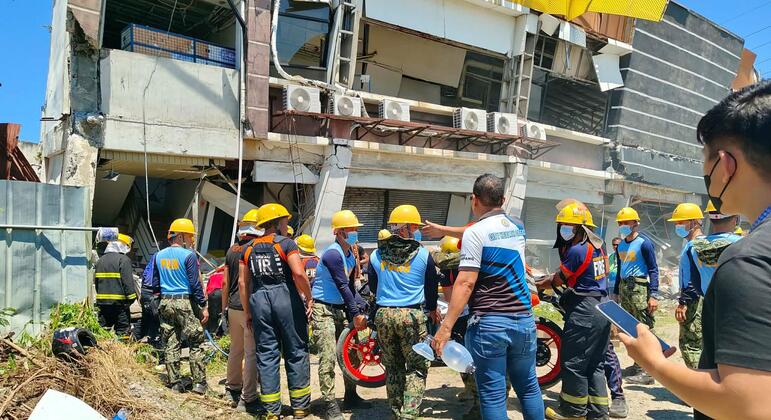

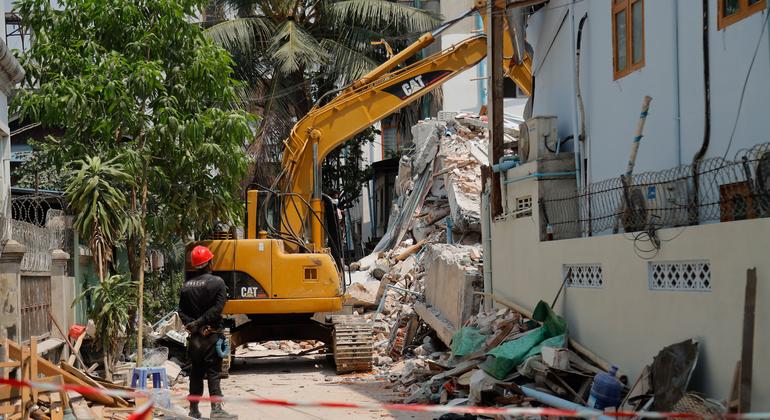
A year after a devastating earthquake struck Myanmar, the World Food Programme (WFP) reports that the nation is experiencing a fragile recovery. In affected areas of Sagaing and Mandalay, one in six households faces moderate to severe food insecurity, with half of all families only marginally food secure.
WFP Country Director Michael Dunford stated, “As earthquake survivors were just beginning to get back on their feet, another blow has hit them and knocked them down again.”
Middle East Conflict Fuels Price Hikes
Conflicts in the Middle East are disrupting transportation in Myanmar, leading to a fuel shortage. The escalating fuel prices are increasing the cost of transporting food and agricultural products, placing additional strain on households already struggling to afford basic necessities. This crisis also impacts Myanmar’s farmers preparing for the monsoon crops. With increased demand for fertilizer expected in the next three months, the fuel shortage and rising input costs threaten to double production expenses compared to last year.
Earthquake and Conflict Zones Face Greatest Impact
These compounding shocks are expected to hit conflict and earthquake-affected regions like Chin, Kachin, Kayah, Rakhine, Sagaing, and Shan the hardest. This exacerbates food insecurity in a country where 12.4 million people, nearly a quarter of the population, are already facing acute hunger. Last year, WFP provided aid and recovery support to half a million earthquake survivors. The organization is now transitioning from emergency relief to rebuilding community infrastructure that ensures long-term stability.
Funding Needs for Continued Support
WFP requires $150 million this year to provide life-saving assistance and resilience support to 1.5 million people across the country. Without adequate funding, the agency will be forced to prioritize the most urgent life-saving needs, potentially scaling back recovery efforts that help earthquake survivors rebuild their livelihoods and reduce their dependence on aid in the long term. “The people of Myanmar have endured back-to-back shocks – conflict, climate disasters, a devastating earthquake, and now a global fuel crisis,” Dunford said. “We must stand with them now. A year after the earthquake, they cannot afford another downturn.”